Table of Contents
- Key takeaways
- Why are builders choosing precast methods today?
- How does precast improve speed and efficiency?
- Is precast construction more cost-effective?
- What role does design and detailing play?
- How does precast support quality and safety?
- Bottom line
- Frequently asked questions
Key Takeaways
- Precast fabrication enhances speed, quality, and cost efficiency
- It reduces construction time through the use of parallel processes
- It enhances the quality of the structure through detailing
- It provides safer and cleaner construction sites
- It minimizes the amount of waste generated, hence being eco-friendly
- It enhances quality through the factory production process
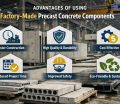
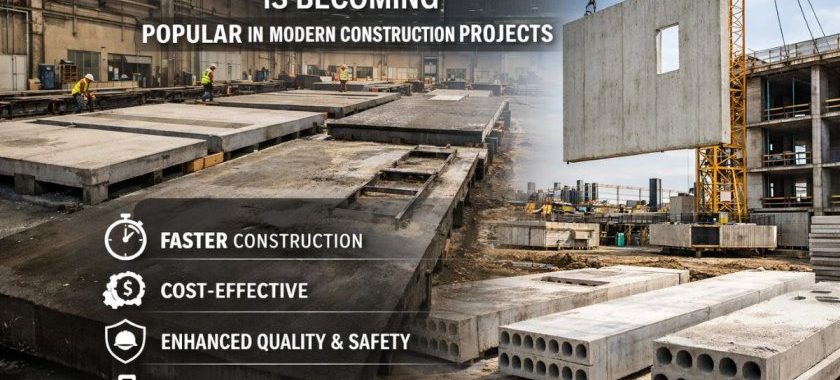
Precast fabrication is getting popular for a simple reason. It saves time. It also improves quality and cuts down overall cost. Instead of doing everything at the site, parts are made in a factory first. Then they are brought and fixed at the location.
In smple terms, precast means making walls, slabs, or panels in a controlled setup. After that, these parts are transported and assembled on-site. This makes the whole process quicker. Additionally more reliable than old construction methods.
However, you might notice many companies, like 12 Meter Engineering, are now using this method. Better planning. Smoother execution. This is not just a passing trend. It actually solves real problems faced in modern construction.
Why are builders choosing precast methods today?
The reason is quite clear. Traditional construction often faces delays. Weather becomes a big issue. Quality is not always consistent. Precast helps avoid many of these problems.
Here’s what makes it popular:
- Faster completion
- Better quality control
- Less need for labor
- Lower material waste
- Safer and cleaner sites
Another thing worth noticing. Planning becomes easier before work even starts. Tools like precast fabrication drawings services in USA help teams see the full project early. This reduces mistakes. Work becomes smoother.
Furthermore, cities are growing fast. Really fast. So, construction also needs to keep up. Precast fits well here. It offers speed without cutting corners on quality.
How does precast improve speed and efficiency?
This is where the precast stands out. While work is going on at the site, parts are being made in the factory at the same time. Two things happening together. Saves a lot of time.
Here’s how it helps:
- No waiting for on-site curing
- Ready parts can be installed quickly.
- Weather has less impact.
- The overall timeline gets shorter.
Additionally, skilled teams working on precast detailing services in USA make sure everything fits well. No gaps. No mismatch. So, rework is almost not needed. That alone saves time.
Another small but important point. The site stays less crowded. Fewer workers. Less equipment. Everything feels more organized.Because of all this, many developers now prefer precast. Both for homes and commercial projects.
Is precast construction more cost-effective?
At first, it may look a bit expensive. But over time, it actually saves money. Less delay. Less waste. Fewer mistakes. All this adds up.
Here is a simple comparison:
| Factor | Traditional Construction | Precast Construction |
| Time | Longer duration | Faster completion |
| Labor Cost | High | Reduced |
| Waste | More | Minimal |
| Maintenance | Higher | Lower |
Using precast panel detailing services in USA helps cut down design mistakes. Small errors don’t get ignored. They are fixed early. That means fewer surprises later on site. And yes, it saves money too.
Moreover, faster completion also makes a difference. Projects finish early. Spaces can be used or sold sooner. That improves returns in a very practical way.
You might notice companies like 12 Meter Engineering focus a lot on planning. It shows in the results. Better coordination. Less confusion. Clients usually get more value without unnecessary delays.
What role does design and detailing play?
This part really matters. A lot. Without proper planning, even good materials won’t help much. Things won’t fit right.
In precast work, every piece is planned before production starts. Size, joints, placement- everything is decided early. No guesswork later.
Therefore, take precast wall connection details as an example. These joints hold everything together. If they are done right, the structure stays strong and safe. If not, problems start showing up.
Here’s what good detailing brings:
- Stronger structure
- Easy installation
- Fewer site mistakes
- Better safety overall
To be honest, clear planning avoids a lot of confusion. Teams know what to do. Work flows better. Time and effort both get saved.
How does precast support quality and safety?
Precast has an edge here. Components are made in a controlled space. No rain issues. No extreme weather delays. Quality stays consistent.
Here’s how it helps:
- The factory process keeps quality steady.
- Good materials are used.
- Checks are done at every step.
- Site risks stay lower.
Precast erection services USA also play an important role. Skilled workers handle lifting and fixing. However, heavy parts are placed carefully. That reduces accident chances.
Another thing. Less work happens on-site. Fewer people. Less mess. So, the site feels safer compared to traditional construction.Because of all this, precast is seen as a reliable choice today.
Bottom line
Precast fabrication is getting popular for many reasons. It saves time. It improves quality. It also helps control costs. Old construction methods struggle with delays and errors, but precast handles these issues better.
Additionally, with support from companies like 12 Meter Engineering, projects are planned in a smarter way. Execution becomes smoother. Services like precast erection services USA also help ensure proper installation and long-term performance.
So yes, this is not just a new option. It’s shaping the future of construction. As projects demand speed and accuracy, precast will keep growing in importance.
Frequently asked questions
It means building parts are made in a factory and then assembled on-site.
Because manufacturing and site work happen at the same time.
Costs may feel higher first, but savings appear over time.
Yes, it reduces site work and lowers overall risk for workers.